
🧫 Expert Guide

Mould & Algae Removal on Auckland Homes

Why mould grows on Auckland houses, the health risks it creates, and how professional soft washing removes it permanently — from an owner-operator with 40+ five-star Google reviews and 1,000+ Auckland homes cleaned.

📅 July 2026 ⏱ 10 min read 🏠 Expert Guide
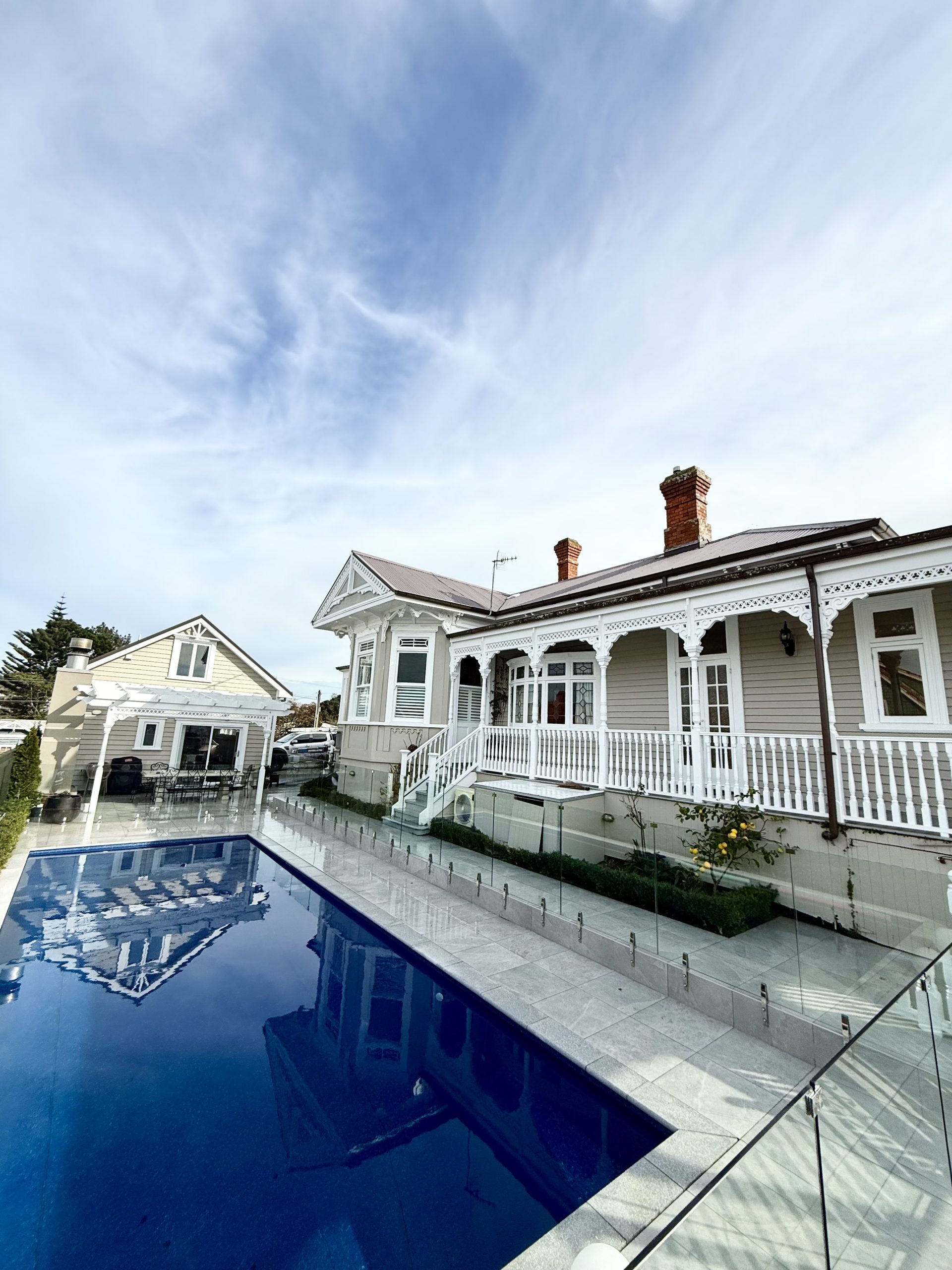
Mould and algae on Auckland home exterior before professional soft washing — Essential Water Blasting

Why Auckland Homes Get Covered in Mould and Algae

Auckland has the perfect climate for mould and algae growth. The combination of warm temperatures, high humidity (averaging 75–85%), and regular rainfall creates conditions where biological organisms thrive on almost every exterior surface — weatherboard, plaster, brick, concrete, Linea, and timber.

South-facing walls get the worst of it. They receive less direct sunlight, stay damp longer after rain, and often develop thick black mould within 6 to 12 months. Homes near bush, under tree canopy, or close to the coast are even more vulnerable — the combination of shade and moisture accelerates growth to the point where green algae can appear within weeks of a fresh clean if not treated properly.

The problem isn’t just cosmetic. Mould roots (called hyphae) penetrate into timber and painted surfaces, causing long-term damage that goes beyond what you can see. Left untreated for years, mould and algae can degrade paint adhesion, stain surfaces permanently, and create conditions for wood rot — especially on older Auckland villas and bungalows with exposed weatherboard.

Essential Water Blasting sees this across every Auckland suburb — from Ponsonby villas with south-facing timber cladding to Howick brick homes shaded by pohutukawa trees. Understanding what type of growth you’re dealing with and how to treat it properly is the key to keeping your home clean long-term.
🔬 Know Your Enemy

5 Types of Mould and Algae on Auckland Homes

Not all growth is the same — each type looks different, behaves differently, and needs a specific treatment approach. Here’s what we see across Auckland homes every week.

1. Black Mould (Aspergillus / Cladosporium)

The most common and concerning type on Auckland homes. Appears as dark black or dark grey patches, usually starting on south-facing walls, under eaves, and around bathroom extraction vents. Black mould produces spores that become airborne when disturbed — which is why high-pressure blasting without treatment is dangerous. It penetrates deep into painted surfaces and timber grain, making it impossible to remove with water alone. Professional soft wash solution kills black mould at the root system.

🟢

2. Green Algae (Chlorophyta)

The bright green film that appears on fences, concrete, north-facing walls, and any surface that stays damp. Green algae is the fastest-growing organism on Auckland homes — it can reappear within 4 to 6 weeks on untreated surfaces. It’s particularly common on concrete driveways, paths, and retaining walls where moisture sits. Algae makes surfaces dangerously slippery when wet. Soft washing with a biodegradable treatment solution kills the algae and inhibits regrowth for 12+ months.

🟡

3. Lichen (Symbiotic Fungus-Algae)

Lichen appears as crusty, textured patches — usually light green, grey, or yellowish — on concrete roofing tiles, timber fences, and stone surfaces. Unlike mould, lichen is extremely slow-growing but incredibly stubborn once established. It bonds chemically to the surface and can’t be removed by water pressure alone without damaging the substrate. Treatment requires a specialised solution that breaks the bond before gentle removal. Essential Water Blasting treats lichen on Auckland roofs and fences as part of roof treatment and fence cleaning services.

🟤

4. Moss (Bryophyta)

Moss grows in thick, spongy mats — mainly on concrete tile roofs, in gutters, and on shaded pathways. It retains moisture against the surface, which accelerates deterioration of roof tiles and can cause leaks by blocking water flow between tiles. Auckland’s rainfall keeps moss constantly hydrated, which is why it’s so persistent. On roofs, moss must be treated and gently removed — never high-pressure blasted, which cracks and chips concrete tiles. Essential Water Blasting includes moss treatment in every roof cleaning service.

🔴

5. Red/Pink Algae (Trentepohlia)

Less common but distinctive — appears as reddish-orange or pink streaks, usually on light-coloured plaster or rendered walls. Trentepohlia thrives in humid, warm conditions and is more common in coastal Auckland suburbs like Mission Bay, Devonport, and Titirangi. Despite its vivid colour, it responds well to soft wash treatment. The cleaning solution kills the organism and the colour washes away completely, leaving the original surface colour restored.

💡

Why Identification Matters

Different organisms need different treatment concentrations and dwell times. A professional soft wash technician assesses the type and severity of growth before starting — adjusting the cleaning solution mix accordingly. This is why a blanket high-pressure blast doesn’t work: it treats every surface the same way, damages the finish, and leaves the root system alive. Essential Water Blasting uses a targeted approach on every Auckland job, matching the treatment to the specific growth type and surface material.

📸 Real Results

Before and After: Mould Removal on Auckland Homes

These are actual Essential Water Blasting jobs — not stock photos. Every home is soft washed below 500 PSI with biodegradable cleaning solution.

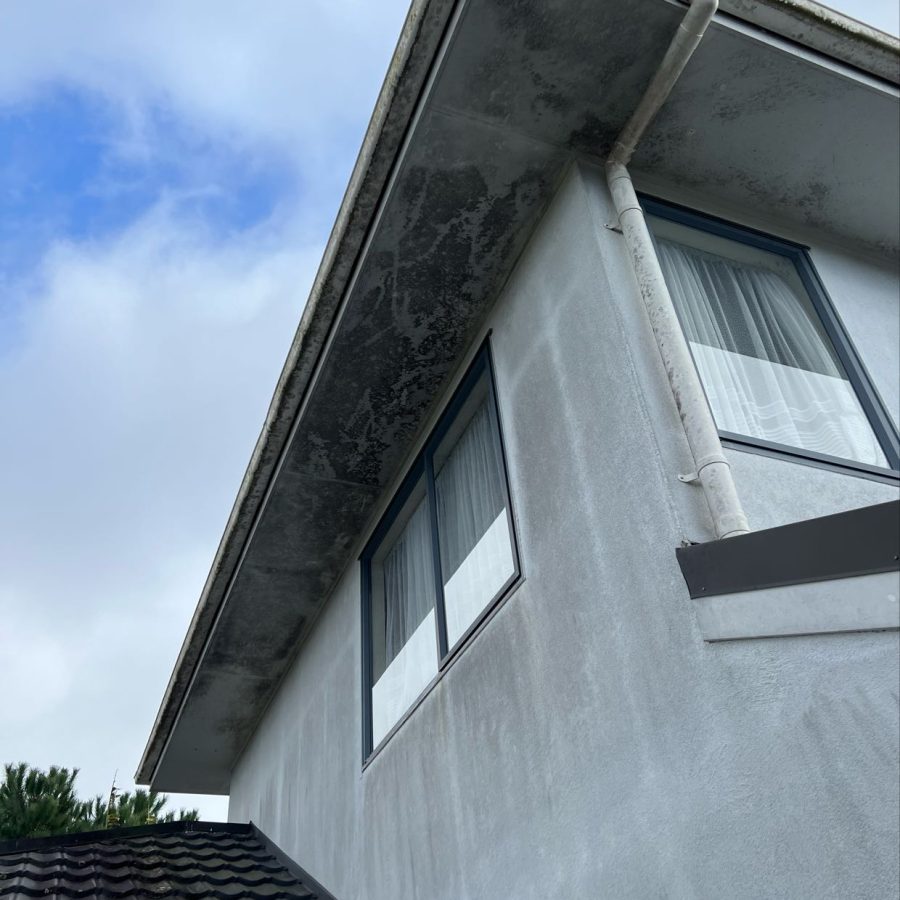
Before mould removal — dirty soffits and exterior wall covered in black mould, Auckland home

Before — Mould on Soffits & Cladding

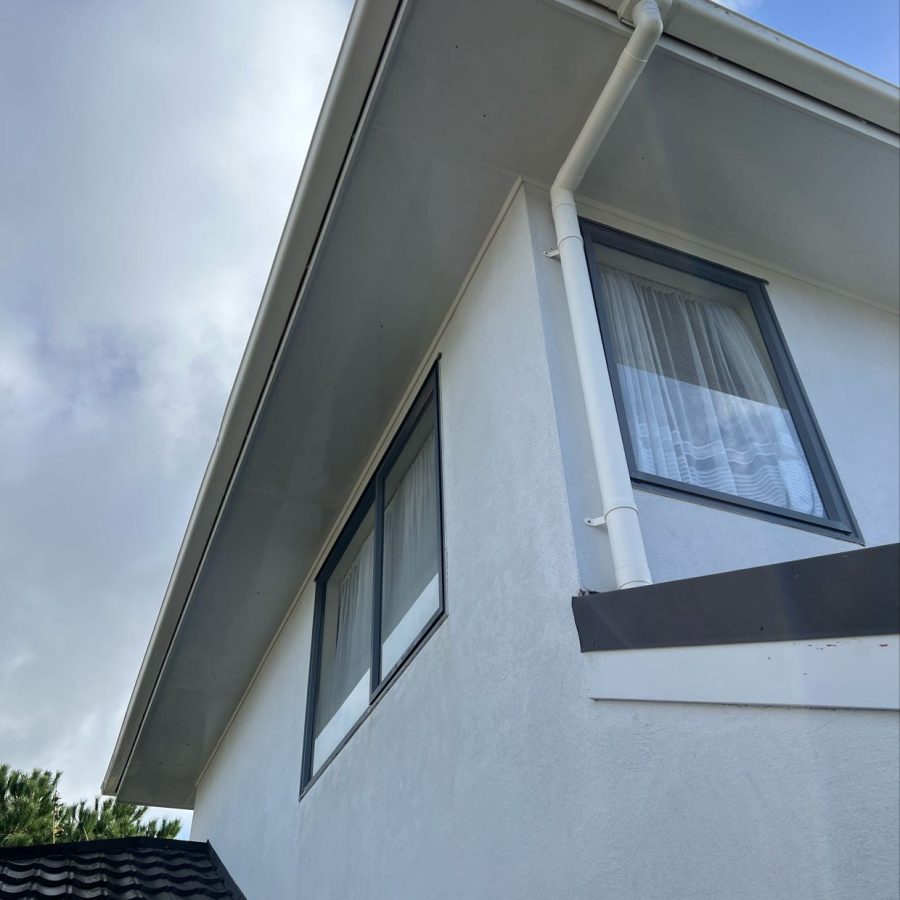
After professional soft wash mould removal — clean soffits and exterior wall, Auckland home

After — Soft Washed by EWB

Before exterior house washing — mould and grime on Auckland home cladding

Before — Mould & Grime Build-Up

After exterior house washing — clean cladding after professional soft wash, Auckland

After — Professional Soft Wash

⚠️ Health & Property

Is Exterior Mould on Your House Dangerous?

Exterior mould isn’t just an eyesore — it creates real health and property risks that many Auckland homeowners underestimate.

⚠️ Health Risks

Black mould (Aspergillus, Cladosporium) produces airborne spores that drift through open windows, ranch sliders, and gaps in window frames. These spores can trigger asthma attacks, allergic reactions, hay fever symptoms, and respiratory irritation — especially in children, the elderly, and people with existing respiratory conditions. Auckland’s BRANZ research confirms that exterior mould contributes to elevated indoor spore counts, particularly on properties with poor ventilation.

Property Damage

Mould hyphae (root structures) penetrate into paint layers, timber grain, and even masonry. Over time, this causes paint to blister, flake, and lose adhesion — requiring a full repaint years earlier than expected. On timber weatherboard homes common across Auckland’s older suburbs, unchecked mould can accelerate wood rot by trapping moisture against the surface. A full exterior repaint costs $8,000 to $25,000+ for an Auckland home. A professional soft wash once a year costs $250 to $600 — and prevents the damage that leads to repainting.

Property Value Impact

First impressions matter. Real estate agents consistently report that mouldy, green-stained exteriors reduce buyer interest and can knock 3–5% off a property’s perceived value. For a $1 million Auckland home, that’s $30,000 to $50,000 in lost value — from something that costs under $500 to fix. Essential Water Blasting regularly washes properties before open homes and pre-sale inspections. Read our guide: How to Prepare Your Home for Sale with Exterior Cleaning.

Slip and Fall Risk

Green algae on concrete driveways, paths, and steps becomes dangerously slippery when wet. Auckland’s regular rainfall means these surfaces can be hazardous for months. This is a liability issue for rental property owners and body corporates — a slip on an algae-covered path can result in serious injury claims. Professional driveway and path cleaning removes the algae and applies a treatment that inhibits regrowth.

🔍 Compare Methods

DIY Mould Removal vs Professional Soft Wash

Many Auckland homeowners try to tackle mould themselves first — here’s what actually works and what doesn’t.

Method Cost Effectiveness Risk
Garden hose + scrub brush Free Removes surface mould only. Grows back within 2–4 weeks. Low risk but time-consuming and temporary.
Supermarket mould spray $10–$30 Works on small patches. Not concentrated enough for full walls or heavy growth. Can bleach paint unevenly. Not designed for large exterior surfaces.
DIY bleach solution $10–$20 Kills surface mould but doesn’t penetrate root system. Grows back in 4–6 weeks. Damages paint, kills gardens, harmful fumes. Can discolour cladding permanently.
Hired Kārcher / pressure washer $80–$150/day Blasts mould off the surface. Root system stays alive — regrows within 4–8 weeks. HIGH RISK. 2,000–3,000+ PSI strips paint, gouges timber, forces water behind cladding, blows out seals.
Professional soft wash (Essential Water Blasting) From $199+gst Kills mould at the root. Treated surfaces stay clean 12–18 months in Auckland conditions. No risk. Below 500 PSI, biodegradable solution, gardens pre-wetted and rinsed.

💡 Why Pressure Washing Makes Mould Worse

High-pressure water blasts the visible mould off the surface but leaves the root system (hyphae) embedded in the paint and timber. It also roughens the surface finish, creating more texture for mould to grip onto next time. This is why pressure-washed houses often look dirtier than before within 6 to 8 weeks. Soft washing is the opposite approach — it kills the organism first, then gently rinses the dead material away, leaving a smooth, treated surface that resists regrowth.

🧴 Our Process

How Essential Water Blasting Removes Mould

The professional soft wash process we use on every Auckland home — step by step.

Assessment

We inspect every wall, eave, soffit, and gutter. We identify the type of growth (black mould, green algae, lichen, moss), the cladding material (weatherboard, Linea, plaster, brick), and any areas needing extra care — like freshly painted sections, delicate window frames, or garden beds close to the house.

Garden Protection

We pre-wet all surrounding garden beds, shrubs, hedges, and lawn with clean water. This dilutes any runoff from the cleaning solution and protects your plants. After the wash is complete, we rinse all vegetation again. This is standard on every job — not an optional extra.

Soft Wash Treatment

We apply a biodegradable cleaning solution to all affected surfaces using low-pressure equipment (below 500 PSI). The solution penetrates the mould’s root system and kills it completely — not just the visible surface layer. We let the solution dwell for 10 to 15 minutes depending on the severity of the growth.

Rinse & Inspection

We rinse the entire house from the top down with clean, low-pressure water. We then do a final walk-around inspection to check every surface — including soffits, gutters, downpipes, and window frames. If any areas need a second pass, we treat and rinse them again. We finish by rinsing all gardens and paths.

💡 How Long Does It Last?

A properly soft-washed Auckland home typically stays mould-free for 12 to 18 months. Homes that are heavily shaded, on south-facing slopes, or near bush may see the first signs of regrowth after 8 to 10 months. Essential Water Blasting recommends annual washing for most Auckland homes — more frequently for high-risk properties. The cleaning solution leaves a residual inhibitor on the surface that slows biological regrowth, which is something water-only pressure washing can never achieve.

🛡️ Stay Clean Longer

How to Prevent Mould From Coming Back

After a professional soft wash, there are several things you can do to slow mould regrowth and keep your Auckland home looking fresh longer.

🌿

Trim Trees and Hedges

Cut back branches and hedges that touch or shade your exterior walls. Airflow and sunlight are the two best natural defences against mould. Even 30cm of clearance between vegetation and your cladding makes a significant difference to how quickly mould returns.

🌬️

Improve Ventilation

Make sure bathroom extraction fans vent to the outside, not into the roof cavity. Indoor moisture that escapes through gaps and vents feeds exterior mould growth — especially around bathroom and kitchen walls. Check that extraction vents are clean and unobstructed.

🔧

Fix Leaking Gutters

Overflowing or leaking gutters send water cascading down your exterior walls — creating a constant wet zone where mould thrives. Check your gutters twice a year (autumn and spring) and clear any blockages. Damaged downpipes that splash against the wall are another common cause of localised mould growth.

📅

Wash Annually

The most effective prevention is regular professional soft washing. An annual wash keeps mould from establishing deep enough to cause permanent staining or paint damage. It’s significantly cheaper than waiting until the growth is severe and requires a more intensive treatment — or worse, a full repaint.

🪟

Address Problem Areas Early

If you notice a patch of mould starting on a south-facing wall or under an eave, don’t wait for the annual wash. Contact a professional to treat that specific area before it spreads. Early treatment is faster, cheaper, and prevents the deep staining that can become permanent on lighter-coloured surfaces.

🏗️

Consider Anti-Mould Paint

When your home is next due for a repaint, ask your painter about anti-mould or mould-resistant paint. Modern exterior paint formulations include biocides that slow mould growth — but they’re not a substitute for regular washing. They simply extend the time between washes, especially on high-risk surfaces like south-facing weatherboard.

💰 Pricing

How Much Does Mould Removal Cost in Auckland?

Professional mould removal via soft washing is priced by the square metre. Essential Water Blasting uses fixed-rate pricing — you know exactly what you’re paying before the job starts. No hidden extras, no surprises. All prices are +GST.

Single Level Homes

Home Size (SQM) House Wash Gutter Clean Roof Treatment Spider Treatment
Up to 80 sqm $199+gst $99+gst $149+gst $80+gst
Up to 150 sqm $299+gst $149+gst $199+gst $90+gst
Up to 250 sqm $349+gst $179+gst $249+gst $100+gst
Up to 350 sqm $399+gst $199+gst $299+gst $120+gst
351+ sqm Contact us for a custom quote

Double Level Homes

Home Size (SQM) House Wash Gutter Clean Roof Treatment Spider Treatment
Up to 120 sqm $349+gst $149+gst $249+gst $130+gst
Up to 200 sqm $399+gst $199+gst $299+gst $140+gst
Up to 300 sqm $429+gst $229+gst $299+gst $150+gst
Up to 400 sqm $449+gst $249+gst $299+gst $160+gst
401+ sqm Contact us for a custom quote

💡 Bundle and Save

Book multiple services on the same visit and save. Most Auckland homeowners combine their house wash with a gutter clean, roof treatment, or spider treatment. View full pricing →

For comparison: a full exterior repaint costs $8,000 to $25,000+ for an average Auckland home. Regular soft washing prevents the paint degradation that makes repainting necessary — making it one of the smartest maintenance investments you can make.

View all pricing → or call 027 722 4550 for a free quote.

Google Reviews
5.0
★★★★★

Based on 46 verified Google reviews from Auckland homeowners.

⭐ Trusted by Auckland Homeowners

40+ Five-Star Reviews — Zero Complaints

Essential Water Blasting maintains a perfect 5.0 Google rating across 46 reviews. Auckland homeowners consistently praise the mould removal results, attention to detail, and care taken with gardens and property. Every review has been personally responded to.

❓ Common Questions

Frequently Asked Questions

What causes mould on the outside of my house?

Auckland’s warm, humid climate (75–85% average humidity) combined with regular rainfall creates ideal conditions for mould, algae, and lichen. South-facing walls, shaded areas, poor ventilation, overflowing gutters, and proximity to trees or bush all accelerate growth. Mould spores are always present in the air — they just need moisture and a surface to land on.

Can I remove exterior mould myself?

You can remove small patches with a scrub brush and diluted cleaning solution, but the mould will return within 2 to 4 weeks because DIY methods don’t kill the root system (hyphae). For full exterior walls or heavy growth, professional soft washing is far more effective and longer-lasting — treated surfaces typically stay clean for 12 to 18 months.

Is exterior mould dangerous to my health?

Yes — particularly black mould (Aspergillus, Cladosporium). It produces airborne spores that can enter your home through windows, doors, and gaps in frames. These spores trigger asthma, allergic reactions, and respiratory irritation, especially in children and the elderly. Regular removal reduces spore counts around your home.

Will pressure washing remove mould from my house?

High-pressure washing blasts the visible mould off but doesn’t kill the root system. Mould grows back within 4 to 8 weeks — often worse, because high pressure roughens the surface and gives mould more texture to grip. High pressure (2,000+ PSI) also risks stripping paint, gouging timber, and forcing water behind cladding. Soft washing below 500 PSI with a treatment solution kills mould at the root and results last 12 to 18 months.

How much does professional mould removal cost in Auckland?

Professional soft wash house washing starts from $199+gst for a single level home up to 80 sqm, ranging up to $449+gst for double level homes up to 400 sqm. Essential Water Blasting uses fixed-rate pricing by the square metre — you know the cost upfront before the job starts. Bundle with gutter cleaning, roof treatment, or spider treatment on the same visit and save.

How often should I get my house washed to prevent mould?

Essential Water Blasting recommends a professional soft wash at least once a year for most Auckland homes. Properties near the coast, under heavy tree cover, on south-facing slopes, or with poor ventilation may benefit from washing every 6 to 8 months. Regular washing prevents the deep staining that becomes permanent if left untreated.

Does soft washing damage paint or surfaces?

No. Soft washing uses pressure below 500 PSI — roughly equivalent to a garden hose with a nozzle. It’s safe for all common Auckland cladding types including painted weatherboard, Linea, brick, plaster, and concrete. The biodegradable cleaning solution is plant-safe when diluted and breaks down naturally in soil. Essential Water Blasting pre-wets and post-rinses all gardens as standard.

What is the difference between mould and algae on houses?

Mould is a fungus — it appears as black, grey, or dark patches and produces airborne spores. Algae is a plant-like organism — it appears as green, slimy films on damp surfaces. Both thrive in Auckland’s humid conditions but need different treatment concentrations. Lichen is a combination of both (fungus + algae living together). A professional soft wash technician identifies the type and adjusts the treatment accordingly.

🏠 Get Rid of Mould for Good

Ready for a Mould-Free Home?

Essential Water Blasting covers all of Auckland — North Shore, Central, East, South, and West. Professional soft wash mould removal with fixed-rate pricing. 5.0 Google rating. Owner-operated quality on every job.

Complete guide to mould and algae removal on Auckland homes. Expert advice from Essential Water Blasting — Auckland’s owner-operated soft wash specialists with 46 five-star Google reviews. Covering North Shore, Central Auckland, East Auckland, South Auckland, and West Auckland. Professional mould removal using low-pressure soft washing below 500 PSI — safe for weatherboard, Linea, brick, plaster, and painted cladding. Types of mould on houses, health risks, DIY vs professional comparison, prevention tips, and pricing. Fixed-rate pricing by the square metre.

← Back to All Articles

QUALITY Pressure Washing Services

Need Washing services?